
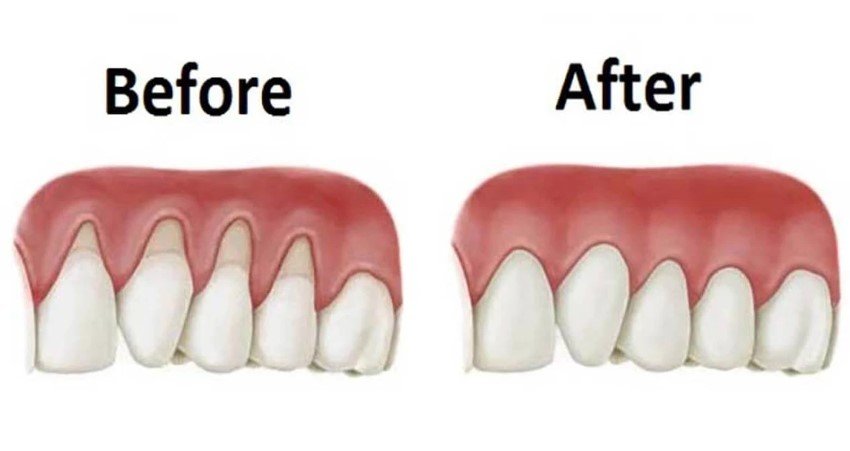
The question of whether you can regrow gums naturally is one of the most common and hopeful searches in oral health. The idea of reversing gingival recession without invasive surgery is incredibly appealing. Many people, faced with the prospect of a costly and uncomfortable gum graft, look for a natural gum regrowth solution.
This guide is dedicated to separating the hope from the reality. We will explore the scientific consensus on gum regeneration, detail the underlying causes of gum disease, and provide a comprehensive look at the natural strategies that can genuinely help to halt recession and promote the healing of your gums.
If you are looking for a way to naturally heal gums and protect your teeth, understanding the facts is the first and most crucial step.
The Scientific Reality: Can Gums Regrow?
The short, factual answer from nearly every dentist and oral hygienist is no, lost gum tissue cannot regrow gums naturally in the way a cut on your skin heals. This is a critical piece of information to understand when dealing with gingival recession.
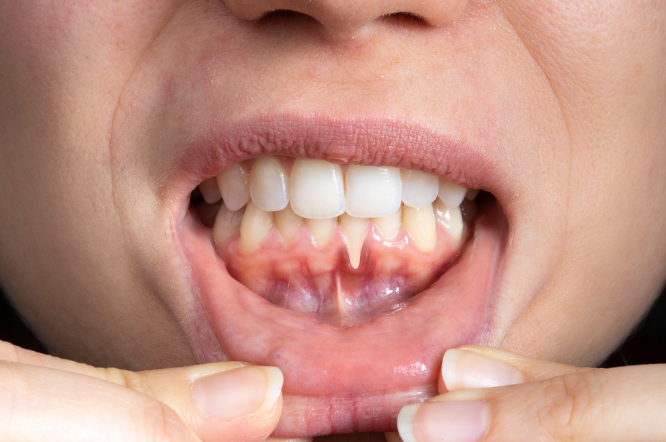
Understanding Gingival Recession
Gingival recession is the process where the margin of the soft tissue surrounding the teeth pulls back, exposing the root surface. This is a sign that the underlying support structure, including the jaw bone, is often compromised.
The primary cause is usually Periodontal Disease, a chronic infection that destroys the supporting soft tissue and bone. Once this soft tissue is destroyed, the body’s natural healing mechanisms are not equipped to replace it.
Why True Regrowth is Difficult
The gums are made of specialized tissue that does not contain the same regenerative properties as other parts of the body. The connective tissue regeneration required to restore the lost gum line is biologically complex and does not occur spontaneously.
While the body can repair damaged tissue, it cannot create new gingival cells to cover an exposed root. This is why surgical procedures, such as gum grafts, are necessary to physically move or transplant gum tissue to the affected area. The goal of natural methods is therefore not true regrowth, but rather cellular gum renewal and the promotion of a healthy environment to prevent further loss.
The Root Causes of Gum Recession
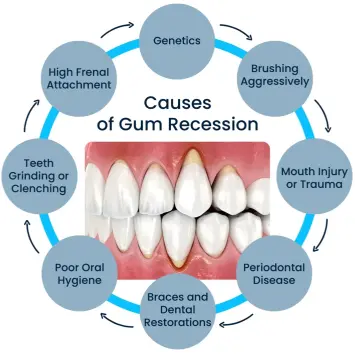
To effectively address gingival recession, you must first eliminate the factors that cause it. The reference content correctly highlights the seriousness of the underlying issue: bacterial gum disease.
The Threat of Bacterial Gum Disease
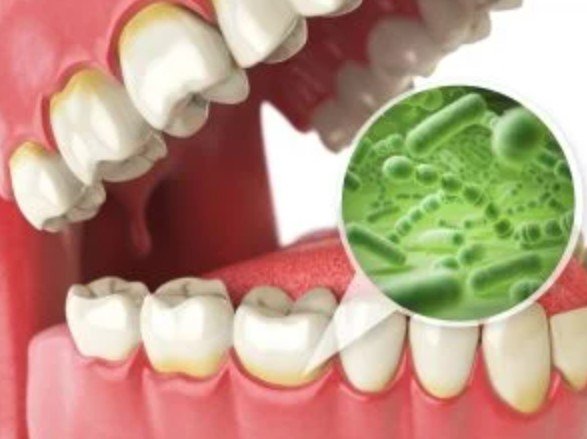
Gingivitis is the mildest form of gum disease, characterized by gum inflammation and bleeding. If left untreated, it progresses to periodontitis. This is a severe bacterial gum disease where the infection lives below the gum line.
The bacteria are anaerobic and produce toxins that destroy the soft tissue and jaw bone. As the infection deepens, pathogens can enter the bloodstream. This systemic spread is why gum disease can lead to a host of serious, chronic, inflammatory health issues that are not limited to the mouth.
- Heart Disease: Staphylococcus aureus and other oral bacteria can attach to the inner lining of the heart, causing endocarditis.
- Systemic Inflammation: There are proven links between periodontitis and conditions like Alzheimer’s, arthritis, obesity, and depression. The chronic inflammation starts in the gums but impacts the entire body.
The loss of soft tissue and jaw bone due to this infection is the main reason for the loss of teeth and the need for advanced treatment of gum issues.
Mechanical and Lifestyle Factors
While infection is the primary driver, mechanical factors can accelerate the process.
- Aggressive brushing: Using a hard-bristled brush or brushing too vigorously can physically wear away the enamel and the gums. This is a direct cause of recession, even in a mouth with minimal gum disease.
- Tobacco Use: Tobacco products severely compromise the oral health environment. They restrict blood flow to the gums, mask the signs of inflammation, and create a breeding ground for harmful bacteria.
- Teeth Grinding/Clenching: Chronic grinding puts immense pressure on the teeth and supporting structures, which can accelerate the destruction of the soft tissue and bone.
Natural Strategies to Halt Recession and Promote Healing
Since true regrowth is not possible, the goal of a natural approach is twofold: to eliminate the infection and inflammation that cause the recession, and to promote the health of the remaining gum tissue to prevent further loss. This is how you can naturally heal gums and achieve natural gum repair.

Optimizing Your Oral Microbiome
The key to controlling bacterial gum disease is balancing the oral microbiome. This involves reducing the population of anaerobic pathogens while supporting beneficial bacteria.
Diet and Nutritional Support
Nutrition plays a vital role in gum health. A diet rich in anti-inflammatory nutrients can help the body fight infection and support connective tissue regeneration. This is a critical component of nutritional gum support.
| Nutrient | Role in Gum Health | Source Examples |
| Vitamin C | Essential for collagen fibers synthesis, wound healing, and capillary strength. | Citrus fruits, bell peppers, broccoli. |
| Omega-3 Fatty Acids | Powerful anti-inflammatory properties; reduces gum inflammation. | Fatty fish, flaxseeds, walnuts. |
| Calcium & Potassium | Crucial for jaw bone density and overall oral health. | Dairy, leafy greens, bananas. |
| Probiotics | Balances gut flora and oral microbiome; reduces harmful bacteria. | Kefir, yogurt, fermented foods. |
Adequate intake of these nutrients is essential for epithelial attachment strengthening and for providing the building blocks for repair.
Essential Oils for Gum Health

Certain essential oils possess potent antimicrobial and anti-inflammatory properties that can be highly effective in a natural oral care routine. They are a form of herbal gum astringents that help to tighten and protect the soft tissue.
- Tea Tree Oil: Known for its strong antiseptic qualities, it can help reduce Plaque Removal and combat bacterial gum disease. It is one of the most studied natural agents for oral pathogens.
- Eucalyptus Oil: Has germicidal properties and can help stimulate blood flow to the gums, promoting microcirculatory gum boost. It is often used to soothe irritated gums.
- Thyme Oil: Highly effective against oral pathogens and often used in commercial mouthwashes. Its active compounds have been shown to disrupt biofilm disruption therapy.
- Peppermint Oils: Provides a refreshing taste while offering mild antiseptic benefits. It can also help to mask the odor associated with anaerobic bacteria.
Advanced Natural Techniques
These techniques go beyond simple brushing and flossing to actively support gum health.
- Oil Pulling: Swishing a tablespoon of oil, such as coconut oil or avocado oil, in the mouth for 15-20 minutes. While it does not cause true regrowth, it is a form of oil pulling gum detoxification that can significantly reduce Plaque Removal and improve the health of the soft tissue. The mechanism is thought to be the oil attracting and dissolving fat-soluble bacteria.
- Coenzyme Q10 (CoQ10): This powerful antioxidant is naturally present in the body and is vital for energy production in cells. Studies have shown that topical application or oral supplements of CoQ10 can reduce gingival inflammation and promote healing in the gums. This is a form of coenzyme Q10 absorption that supports periodontal ligament activation and helps control the inflammation cascade control.
- Aloe Vera: Applying pure aloe vera gel directly to the gums can soothe inflammation and aid in the healing process. It is a gentle, natural remedy for reducing discomfort and is often used for its wound-healing properties.
The Foundation of Natural Gum Repair: Oral Hygiene
No natural remedy can overcome poor dental care. The foundation of any successful strategy to regrow gums naturally is a meticulous, gentle, and consistent Oral Hygiene routine.

Brushing and Flossing Mastery
The way you clean your teeth is paramount. You must be effective without being aggressive.
- Soft Bristle Brushing: Use a soft-bristled toothbrush or an electric brush with a pressure sensor. The technique should be gentle, circular motions, not harsh scrubbing. This is the essence of soft bristle gum brushing. Aggressive brushing is a major cause of gingival recession.
- Flossing: Daily flossing is non-negotiable. It is the only way to remove plaque and food debris from between the teeth and below the gum line, preventing the growth of anaerobic pathogens.
- Tongue Scraping: Incorporating tongue scraping gum health into your routine can further reduce the bacterial load in the mouth, contributing to a healthier oral microbiome.
- Specialized Care: If you have dentures or implants, proper cleaning is even more critical to prevent peri-implantitis, a form of gum disease that can lead to failure.
Regular Professional Dental Care
Even the most dedicated at-home routine is incomplete without professional help. Regular dental appointments are essential for Tartar Control and early detection.
- Dentist and Oral Hygienist Visits: A professional cleaning removes hardened tartar that you cannot remove at home. The dentist or oral hygienist can also monitor your gingival recession and provide personalized advice. They are the only ones who can perform the deep cleaning necessary to remove tartar below the gum line.
- Early Intervention: Catching Gingivitis before it progresses to periodontitis is the most effective way to prevent damaged gums that require surgical intervention. This proactive approach is the best defense against the loss of teeth.
Frequently Asked Questions (FAQ)
Can you regrow gums naturally at home?
While you cannot regrow gums naturally at home, you can absolutely stop the recession from worsening and significantly improve the health of your remaining gum tissue. Natural remedies like essential oils, CoQ10, and meticulous Oral Hygiene can reduce inflammation and eliminate the bacterial gum disease that causes recession.
Read detailed article: Oral Hygiene for Sensitive Gums: A Comprehensive Guide to Comfort and Care
What is the best natural remedy for receding gums?
The single best “natural remedy” is a combination of meticulous, gentle brushing teeth and daily flossing to control plaque. Beyond that, topical application of Coenzyme Q10 (CoQ10) and the use of antimicrobial essential oils like tea tree or Eucalyptus are highly recommended for their ability to reduce inflammation and support soft tissue health.
How long does it take to reverse receding gums naturally?
It is important to clarify that you cannot “reverse” the physical loss of gum tissue naturally. However, you can see a reduction in inflammation, gums bleeding, and sensitivity within a few weeks of starting a dedicated natural oral care routine. Halting the progression of gingival recession is a long-term commitment, not a quick fix.
Is oil pulling effective for gum recession?
Oil pulling is effective as an adjunct to a complete Oral Hygiene routine. It is a form of oil pulling gum detoxification that can reduce the overall bacterial load in the mouth. While it does not cause gum regeneration, it creates a healthier environment for the gums and can help reduce the inflammation associated with periodontitis.
What is the difference between healing and regrowing gums?
Healing refers to the body’s ability to repair damaged soft tissue by reducing inflammation, stopping bleeding, and strengthening the existing gums. Regrowing refers to the creation of new gum tissue to cover an exposed root. Natural methods can achieve healing, but only surgical procedures like gum grafts can achieve true root coverage and restoration.
Conclusion
The desire to regrow gums naturally is understandable, but the scientific reality is that lost gum tissue cannot spontaneously regenerate. The key to managing gingival recession is to shift your focus from impossible regrowth to achievable healing and prevention.
By eliminating the underlying bacterial gum disease, adopting a gentle and thorough Oral Hygiene routine, and incorporating powerful natural aids like CoQ10 and essential oils, you can stop the progression of recession and protect your teeth for a lifetime.
Do not let the fear of surgery prevent you from seeking professional help. Consult your dentist or oral hygienist today to create a comprehensive plan that combines the best of professional dental care with a dedicated natural oral care routine. Your oral health is a critical component of your overall well-being.