

Preventing gum disease, encompassing both gingivitis and the more severe periodontitis, is the leading cause of tooth loss in adults and the primary driver of gum recession. The good news is that this condition is largely preventable. A comprehensive strategy for preventing gum disease requires more than just brushing; it demands a holistic approach that integrates meticulous oral hygiene, a supportive diet, and an awareness of systemic health factors.
The goal of prevention is simple: to maintain a low pathogenic bacterial load in the mouth and to control the chronic inflammation that leads to the destruction of the periodontal ligament and alveolar bone. This guide provides a semantically rich, multi-layered strategy to protect your gums and ensure long-term oral health.
Layer 1: Meticulous Oral Hygiene (The Mechanical Defense)
The cornerstone of gum disease prevention is the mechanical removal of dental plaque, the sticky biofilm that harbors the bacteria responsible for the gum infection.
Brushing Mastery
- Technique: Use the Modified Bass Technique (45-degree angle, gentle vibration) to effectively clean the gingival sulcus (the pocket between the tooth and gum) where bacteria first colonize. Avoid aggressive horizontal scrubbing, which causes mechanical recession.
- Tools: Always use a soft-bristled toothbrush (manual or electric with a pressure sensor) to prevent gingival abrasion.
- Toothpaste: Use a fluoride or desensitizing toothpaste to strengthen enamel and dentin and aid in remineralization.
2. Interdental Cleaning (The Non-Negotiable Step)
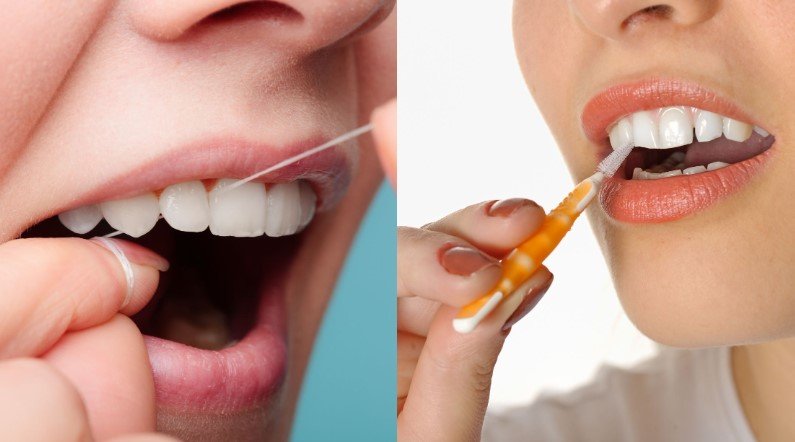
A toothbrush can only reach about 60% of the tooth surface. The remaining 40%—the interproximal spaces—must be cleaned daily.
- Flossing: Use the C-Shape technique to wrap the floss around the tooth and gently slide it into the gingival sulcus, disrupting the plaque biofilm.
- Water Flossers: Highly effective for flushing bacteria from deep periodontal pockets and around dental work without causing trauma.
- Interdental Brushes: Ideal for cleaning larger gaps or exposed root surfaces caused by prior recession.
3. Tongue Cleaning
The tongue harbors a significant amount of bacteria. Using a tongue scraper or brush daily reduces the overall bacterial load in the mouth, minimizing the risk of bacteria migrating to the gums.
Layer 2: Diet and Nutrition (The Systemic Defense)
Diet plays a crucial role in managing the systemic inflammation that accelerates periodontitis.
1. Control the Acid Attack
- Limit Cariogenic Foods: Reduce the intake of simple sugars and refined carbohydrates that feed plaque bacteria and lower the oral pH.
- Stimulate Saliva: Chew sugar-free gum containing Xylitol to stimulate saliva flow. Saliva is essential for neutralizing acid and promoting remineralization.
- Hydration: Drink plenty of water to maintain adequate saliva flow and wash away debris.
2. Embrace Anti-Inflammatory Nutrients
- Omega-3 Fatty Acids: Found in fatty fish, these nutrients are converted into resolvins and protectins that actively turn off the inflammatory response in the gums.
- Vitamin C: Essential for collagen synthesis, strengthening the gingival tissue and capillaries to prevent bleeding and breakdown.
- Antioxidants: Polyphenols (green tea, berries) fight oxidative stress and inhibit the growth of pathogenic bacteria.
Layer 3: Lifestyle and Systemic Factors
Gum disease is often a manifestation of underlying systemic health issues. Addressing these factors is vital for effective prevention.
| Systemic Factor | Prevention Strategy | Semantic Rationale |
| Smoking | Cessation is Mandatory. Smoking severely impairs blood flow to the gums and compromises the immune system. | Reduces vasoconstriction and restores immune function in the gingival tissue. |
| Diabetes | Maintain strict blood sugar control. High blood sugar accelerates periodontitis and impairs healing. | Reduces the severity of the inflammatory response and supports tissue repair. |
| Stress | Practice stress-reduction techniques (meditation, exercise). Stress compromises the immune system. | Supports a robust immune response against pathogenic bacteria. |
| Bruxism (Grinding) | Use a custom-fitted night guard. Excessive force can cause micro-trauma and accelerate gum recession. | Protects teeth and gums from excessive occlusal forces. |
Layer 4: Professional and Targeted Care
Even with perfect home care, professional monitoring and targeted treatments are necessary for optimal prevention.
Other Post: Can You Regrow Gums Naturally? Separating Fact from Fiction in Gum Recession Treatment
1. Regular Dental Check-ups

Visit your dentist and dental hygienist every six months (or more frequently if you have a history of periodontitis).
- Professional Cleaning: Removes calculus (hardened plaque) that cannot be removed at home.
- Screening: Early detection of periodontal pockets and signs of gum recession.
2. Targeted Antimicrobial Support
For individuals prone to gingivitis or those with a history of periodontitis, supplementing mechanical cleaning with targeted antimicrobial agents is highly effective.
Products like Nature’s Smile Gum Balm provide a concentrated, natural solution to control the pathogenic bacterial load in the mouth. By applying this formula directly to the gingival margin and into the gingival sulcus, you are actively suppressing the bacteria that cause inflammation and infection. This targeted approach:
- Reduces Biofilm: Disrupts the formation of the plaque biofilm.
- Controls Inflammation: Calms the immune response, preventing the progression from gingivitis to periodontitis.
- Supports Stability: Helps stabilize the periodontal ligament and prevent the destruction of the alveolar bone.
The Prevention Checklist:
- Brush twice daily with a soft brush and the Modified Bass Technique.
- Floss or use a water flosser daily.
- Eat an anti-inflammatory diet rich in Vitamin C and Omega-3s.
- Manage systemic health factors (Diabetes, Stress, Smoking).
- Visit the dentist regularly for professional cleaning.
- Apply a targeted antimicrobial agent like Nature’s Smile Gum Balm daily.
By adhering to this comprehensive, multi-layered strategy, you significantly reduce your risk of developing gum disease and protect your gums from the irreversible damage of gum recession.
External Links
- American Academy of Periodontology: Prevention
- Centers for Disease Control and Prevention: Gum Disease
- World Health Organization: Oral Health Fact Sheet
- Journal of Periodontology: The Role of Smoking in Periodontitis
Prevention is the best cure for gum disease. Start your comprehensive prevention strategy today. For powerful, natural support in controlling the bacterial load and inflammation, integrate Nature’s Smile Gum Balm into your daily care.
Call-to-Action
Prevention is the best cure for gum disease. Start your comprehensive prevention strategy today. For powerful, natural support in controlling the bacterial load and inflammation, integrate Nature’s Smile Gum Balm into your daily care.