
Experiencing a sharp, shooting pain when you sip cold water or brush your teeth is often the first sign that your gums are receding. This discomfort, known clinically as dentin hypersensitivity, occurs because the protective gum tissue has pulled back, exposing the sensitive dentin layer of the tooth root.
For individuals with sensitive gums and teeth, the standard oral hygiene routine can feel like a painful chore, leading many to avoid brushing the affected areas. This avoidance is a dangerous cycle: less brushing leads to increased plaque accumulation, which fuels gingivitis and periodontitis, ultimately causing further gum recession and worsening sensitivity.
Mastering a specialized, gentle oral hygiene routine is the most critical step in breaking this cycle. This guide provides a semantically rich, comprehensive approach to managing sensitivity while ensuring effective plaque control and preventing further trauma to the gingival tissue.
Understanding the Root Cause: Exposed Dentin
To effectively manage sensitivity, we must first understand the underlying mechanism. The dentin layer of the tooth is riddled with thousands of microscopic channels called dentinal tubules. These tubules extend from the outer surface of the dentin directly to the pulp (the nerve center) of the tooth.
When the gums recede, the softer cementum covering the root is easily worn away, leaving the openings of these dentinal tubules exposed to the oral environment. External stimuli—such as cold air, hot liquids, or acidic foods—cause the fluid within these tubules to move, triggering the nerve response that we perceive as a sharp, short-lived pain.
Effective oral hygiene for sensitive gums must therefore focus on two goals:
- Occlusion: Blocking or sealing the openings of the exposed dentinal tubules.
- Prevention: Employing non-traumatic techniques to prevent further recession and maintain a low bacterial load.
Specialized Tools for Sensitive Gums
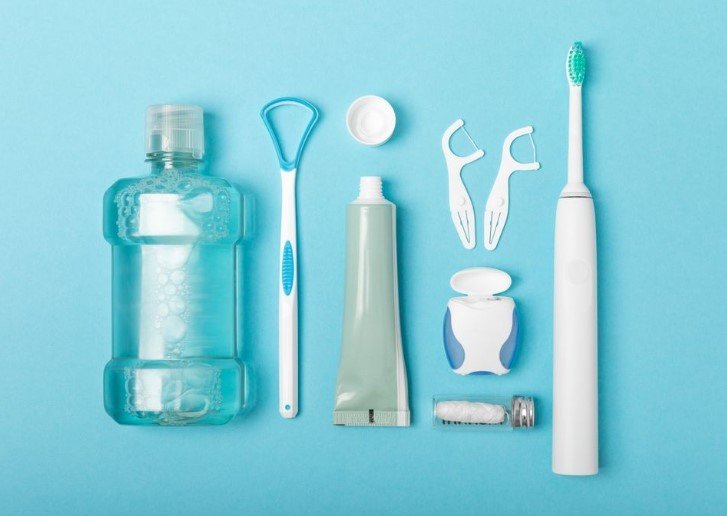
The right tools are essential for cleaning effectively without causing pain or trauma.
1. The Soft-Bristled Toothbrush
The single most important change is switching to a soft-bristled toothbrush. Aggressive brushing with medium or hard bristles is a leading cause of mechanical recession and accelerates the wear of exposed root surfaces.
- Manual Brushes: Look for brushes labeled “ultra-soft” or “sensitive.” The bristles should be flexible and have rounded ends to prevent gingival abrasion.
- Electric Brushes: Highly recommended, provided they have a pressure sensor. Many modern electric brushes offer a “sensitive mode” and use oscillating or sonic technology that is highly effective at plaque disruption with minimal force. The pressure sensor is vital, as it alerts the user when they are applying excessive force, protecting the delicate gum line.
2. Desensitizing Toothpaste
Desensitizing toothpastes are formulated with specific desensitizing agents that work to block the dentinal tubules.
| Active Ingredient | Mechanism of Action | Semantic Benefit |
| Potassium Nitrate | Desensitizes the nerve by interfering with the pain signal transmission from the nerve to the brain. | Provides rapid relief from sensitivity pain. |
| Stannous Fluoride | Forms a protective layer over the exposed dentin, physically blocking the dentinal tubules. | Offers long-term protection and helps fight decay on the exposed root surface. |
| Arginine/Calcium Carbonate | Works by physically plugging the dentinal tubules with calcium-rich material. | Provides immediate and lasting occlusion of the tubules. |
Application Tip: For severe sensitivity, apply a small amount of desensitizing toothpaste directly to the affected area with a clean finger or cotton swab before brushing. Leave it on for a few minutes to allow the active ingredients to penetrate the tubules.
Mastering Non-Traumatic Brushing Technique
The technique must be gentle yet thorough to remove the plaque biofilm without causing further trauma. The Modified Bass Technique remains the gold standard.
Key Technique Adjustments for Sensitivity:
- Angle: Maintain the 45-degree angle to the gum line, aiming the bristles into the gingival sulcus.
- Motion: Use only gentle, short vibratory strokes (a “wiggle” motion). Avoid any horizontal scrubbing.
- Force: Use minimal force. If the bristles bend significantly, you are brushing too hard. The pressure sensor on an electric brush is your best friend here.
- Duration: Brush for a full two minutes, ensuring all surfaces are covered systematically.
Flossing and Interdental Care for Sensitive Gums
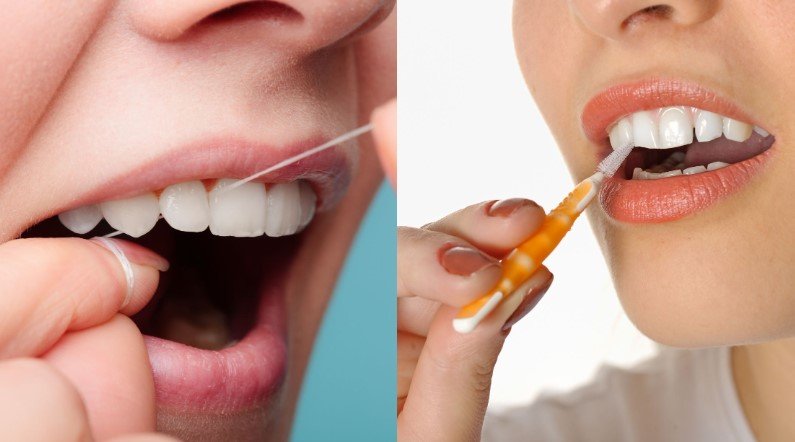
Flossing is crucial because it removes plaque from the interproximal surfaces where the toothbrush cannot reach. However, traditional flossing can be painful if the gums are inflamed or highly sensitive.
1. Water Flossers (Oral Irrigators)
For sensitive gums, a water flosser is often a game-changer. It uses a pressurized stream of water to clean between teeth and below the gum line.
- Benefit: Effectively disrupts the subgingival biofilm and flushes out debris from periodontal pockets without the physical abrasion of string floss.
- Usage: Use a low-pressure setting initially, gradually increasing as comfort allows. Using lukewarm water can also minimize sensitivity.
2. Gentle String Flossing
If using string floss, the C-Shape technique must be performed with extreme care.
- Insertion: Gently slide the floss between teeth using a soft sawing motion. Never snap the floss into the gums.
- C-Shape: Wrap the floss tightly around the tooth in a “C” shape and slide it gently into the gingival sulcus.
- Motion: Use a gentle up-and-down motion against the tooth surface, avoiding excessive pressure on the gum tissue.
Other Post: Can You Regrow Gums Naturally? Separating Fact from Fiction in Gum Recession Treatment
The Role of Fluoride and Remineralization
When the root surface is exposed due to recession, it is highly susceptible to decay because the softer cementum and dentin are less resistant to acid attack than enamel.
- Fluoride: Fluoride is essential for remineralization, helping to strengthen the exposed root surface and make it more resistant to decay.
- Fluoride Rinses: A daily fluoride rinse can provide an extra layer of protection, especially if sensitivity prevents thorough brushing in certain areas.
- High-Concentration Fluoride: Your dentist may prescribe a high-concentration fluoride varnish or gel for in-office application to severely sensitive or exposed root surfaces.
Avoiding Common Sensitivity Triggers
Managing sensitivity also involves minimizing exposure to known triggers.
| Trigger | Mechanism | Management Strategy |
| Cold/Hot | Stimulates fluid movement in dentinal tubules. | Avoid rapid temperature changes; use lukewarm water for brushing and rinsing. |
| Acidic Foods | Erodes cementum and opens dentinal tubules. | Limit intake of citrus, soda, and wine; rinse mouth with water immediately after consumption. |
| Aggressive Brushing | Causes gingival abrasion and further recession. | Switch to soft brush and Modified Bass Technique; use a pressure sensor. |
| Teeth Grinding (Bruxism) | Excessive force causes micro-trauma and recession. | Consult dentist for a custom-fitted night guard to protect teeth and gums. |
Integrating Targeted Gum Support

While gentle hygiene manages the trauma, addressing the underlying bacterial load is crucial for long-term gum health. Inflammation caused by bacteria is the primary driver of the recession that leads to sensitivity.
Targeted treatments, such as Nature’s Smile Gum Balm, can be integrated into the routine. By applying a natural, potent antibacterial formula directly to the gum line and into the gingival sulcus, you are actively reducing the pathogenic bacterial load that fuels the inflammatory response. This complements the mechanical cleaning of brushing and flossing by addressing the biological cause of the recession, allowing the gums to become firmer and less inflamed, which in turn reduces sensitivity.
The Complete Sensitive Gum Routine:
- Pre-Brush: Apply desensitizing toothpaste to highly sensitive areas.
- Brush: Use a soft brush and the Modified Bass Technique for 2 minutes.
- Floss: Use a water flosser or gentle C-Shape technique.
- Targeted Care: Apply Nature’s Smile Gum Balm to the gum line.
- Rinse: Use a fluoride rinse (optional, but recommended).
By adopting this specialized, non-traumatic oral hygiene routine, you can effectively manage dentin hypersensitivity, halt the progression of recession, and restore comfort to your daily life.
External Links
- American Dental Association: Sensitive Teeth
- Journal of Periodontology: Management of Dentin Hypersensitivity
- Cochrane Review: Electric vs. Manual Toothbrushes
- Mayo Clinic: Tooth Sensitivity
Call-to-Action
Don’t let sensitivity stop you from cleaning effectively. Adopt this specialized routine today. For targeted support against the bacteria that fuel inflammation and recession, integrate Nature’s Smile Gum Balm into your daily care.