

We often think of our teeth as separate from the rest of the body, relying mainly on brushing and flossing to protect them. However, Diet & Nutrition for Healthy Teeth play a foundational role in oral health, influencing everything from enamel strength to the balance of your oral microbiome. The foods and drinks you choose shape the environment inside your mouth, directly affecting your risk of dental caries (tooth decay), acid erosion, and periodontal disease.
For those dealing with receding gums, nutrition takes on an even more critical role. A proper diet not only supports the structural integrity of the gingival tissue but also helps manage the systemic inflammation that often drives gum recession and alveolar bone loss. This comprehensive guide explores the semantic entities and nutritional strategies necessary to build and maintain a resilient, healthy mouth.
The Acid Attack: Understanding Oral pH and Caries
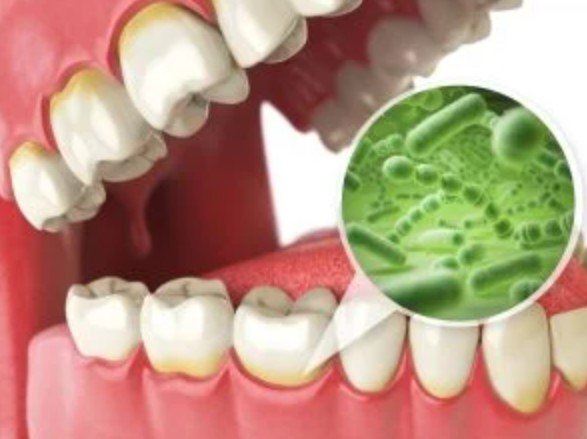
The primary threat to tooth structure is acid. Dental caries (tooth decay) is a process where bacteria in the mouth metabolize carbohydrates (especially sugars) and produce acid as a byproduct. This acid lowers the oral pH below the critical level of 5.5, causing the demineralization of enamel and dentin.
Foods that contribute to this acid production are known as cariogenic foods.
| Cariogenic Food Type | Mechanism of Action | Semantic Threat |
| Simple Sugars | Rapidly metabolized by Streptococcus mutans to produce acid. | Demineralization of enamel and dentin. |
| Refined Starches | Stick to teeth and break down into simple sugars quickly. | Prolonged acid exposure and plaque formation. |
| Acidic Beverages | Directly lower oral pH (e.g., soda, sports drinks, fruit juices). | Acid Erosion independent of bacterial action. |
The frequency of consuming these foods is often more damaging than the quantity. Each time you eat a sugary or acidic item, your oral pH drops, and it takes approximately 20-30 minutes for saliva to neutralize the acid and begin the remineralization process. Frequent snacking keeps the mouth in a constant state of acid attack.
The Power of Saliva: Nature’s Defense System
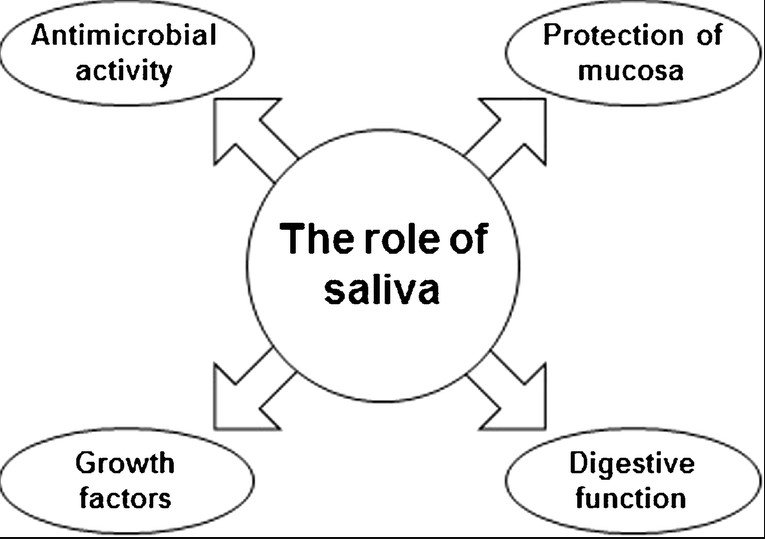
Saliva is the body’s natural, powerful defense against decay and gum disease. It is a complex fluid that performs several vital functions:
- Neutralization: Contains bicarbonate and other buffers that rapidly neutralize acids, restoring the oral pH to a safe level.
- Mechanical Cleansing: Washes away food debris and loose bacteria.
- Remineralization: Delivers essential minerals, primarily Calcium and Phosphate, back to the tooth surface to repair early enamel and dentin lesions.
- Antibacterial Action: Contains enzymes and antibodies that help control the oral microbiome.
Maintaining adequate saliva flow is crucial. Xerostomia (dry mouth), often caused by medications or dehydration, dramatically increases the risk of decay and periodontal disease. Chewing sugar-free gum containing Xylitol can stimulate saliva flow and provide an additional antibacterial benefit.
Key Nutrients for Structural Integrity
A healthy diet provides the necessary building blocks to resist decay and maintain strong gingival tissue.
1. Calcium and Phosphorus: The Enamel Builders
Calcium and Phosphorus are the primary mineral components of enamel and dentin, as well as the alveolar bone that supports the teeth. Adequate intake is essential for:
- Enamel Strength: Providing the raw materials for remineralization.
- Bone Density: Preventing alveolar bone loss, a key factor in periodontitis and subsequent gum recession.
Sources: Dairy products, fortified plant milks, dark leafy greens (kale, collard greens), and almonds.
2. Vitamin D: The Mineral Manager
Vitamin D is essential because it regulates the body’s absorption and utilization of Calcium and Phosphorus. Without sufficient Vitamin D, even high calcium intake may not benefit oral structures. Furthermore, Vitamin D plays a significant role in modulating the immune system, potentially reducing the severity of gingivitis and periodontitis.
Sources: Sunlight exposure, fatty fish (salmon, mackerel), and fortified foods.
3. Vitamin C: The Collagen Catalyst
As discussed in the previous article, Vitamin C is a cofactor for collagen synthesis. Collagen is the main structural protein in gingival tissue and the periodontal ligament. Deficiency leads to weak, easily bleeding gums and impaired wound healing, making the tissue highly susceptible to recession.
Sources: Bell peppers, citrus fruits, strawberries, broccoli, and kale.
4. Vitamin A: Mucosal Health
Vitamin A is vital for maintaining healthy mucous membranes, including the gingival tissue. It supports the proper function of the salivary glands and helps maintain the integrity of the epithelial lining in the mouth, providing a stronger barrier against bacterial invasion.
Sources: Sweet potatoes, carrots, spinach, and liver.
The Anti-Inflammatory Connection: Protecting the Gums
While the previous article focused on inflammation, it bears repeating that a diet rich in anti-inflammatory foods is crucial for gum health. Chronic inflammation is the engine of periodontal disease.
Omega-3 Fatty Acids (EPA/DHA): Found in fatty fish, these nutrients are converted into resolvins and protectins, which actively resolve inflammation and promote healing in the gingival tissue.
Polyphenols: Found in green tea, berries, and dark chocolate, these powerful antioxidants reduce oxidative stress and inhibit the growth of pathogenic bacteria like Porphyromonas gingivalis.
Practical Dietary Strategies for Oral Health
Translating nutritional science into daily habits requires practical strategies focused on timing and food choices.
1. Timing the Acid Attack
- Limit Snacking: Reduce the frequency of meals and snacks to allow saliva time to neutralize acid and promote remineralization.
- Post-Acid Rinse: After consuming acidic foods or drinks (soda, coffee, juice), rinse your mouth immediately with water to raise the oral pH. Do not brush immediately, as the acid softens the enamel and brushing can cause abrasion. Wait at least 30 minutes.
2. Choose Detergent Foods
Certain foods naturally help clean the teeth and stimulate saliva flow. These are often called “detergent foods.”
- Crunchy Fruits and Vegetables: Apples, carrots, and celery require significant chewing, which stimulates saliva and mechanically scrapes loose debris from the tooth surface.
- Cheese: Dairy products, particularly cheese, have been shown to raise the oral pH quickly, making them an excellent choice after a meal.
3. Embrace Xylitol
Xylitol is a natural sugar alcohol that is non-cariogenic. Unlike sugar, bacteria cannot metabolize Xylitol, so it does not produce acid. In fact, Xylitol has been shown to inhibit the growth of Streptococcus mutans and promote remineralization.
- Usage: Use Xylitol-sweetened gum or mints after meals, especially when brushing is not immediately possible.
The Role of Targeted Oral Care

While diet sets the stage for health, mechanical cleaning and targeted treatments are necessary to manage the plaque biofilm. Even the best diet cannot remove established plaque.
For individuals with receding gums and active gingivitis, integrating a product like Nature’s Smile Gum Balm addresses the bacterial component directly. By applying a potent, natural antibacterial formula to the gum line, you reduce the pathogenic bacterial load that drives the inflammatory response. This synergy—a healthy diet supporting the tissue from within, combined with targeted external treatment—creates the most robust defense against further recession and decay.
External Links
- American Dental Association: Diet and Oral Health
- National Institute of Dental and Craniofacial Research: Dental Caries
- Mayo Clinic: Xylitol and Oral Health
- Journal of the American Dental Association: Acid Erosion
Call-to-Action
Diet & Nutrition for Healthy Teeth play a powerful role in protecting your smile from decay and gum disease. By making smart nutritional choices, you strengthen your teeth and gums from the inside out and support long-term oral health. For targeted support against the bacteria that contribute to inflammation, consider using Nature’s Smile Gum Balm as part of your daily care routine.