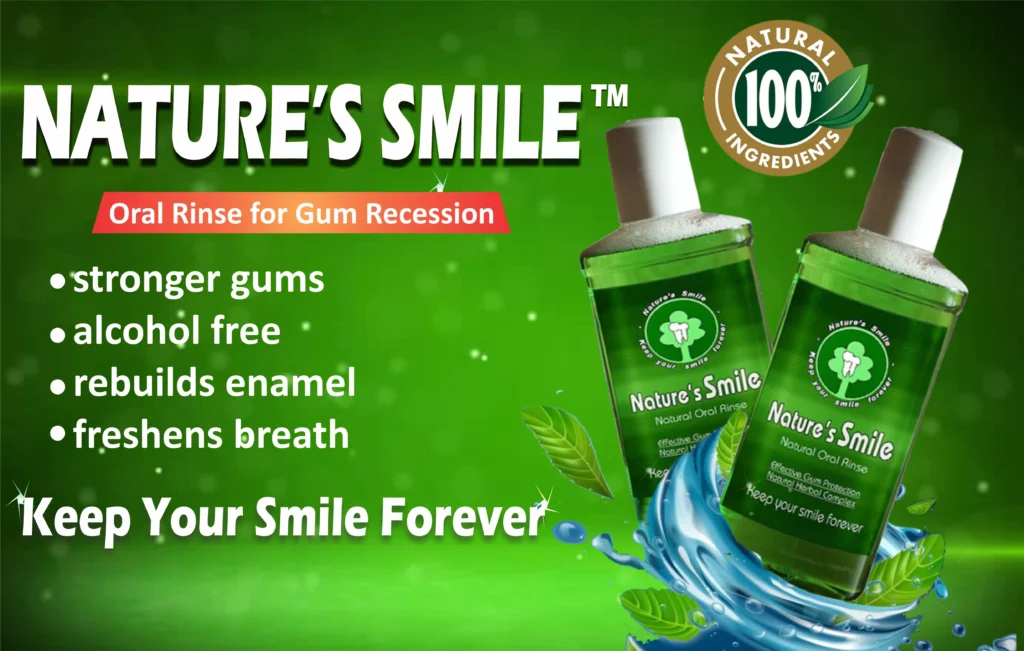
If you searched for natures smile oral rinse, you are looking at an oral hygiene product that tries to cover 3 jobs in one step: help control harmful bacteria from plaque, support gum health and breath, and keep routine simple. Nature’s Smile Mouthwash is positioned as a mouthwash (MW) or oral rinse (OR) that uses natural ingredients that target break down plaque, balance pH levels, and reduce inflammation in gum tissue when gum inflammation tartar shows up in daily life.
NSM fits best as a supporting tool. Brushing and flossing remove debris. A rinse helps reach areas a brush misses. Professional cleanings remove tartar buildup teeth when plaque hardens. That practical sequence keeps expectations realistic.
You want to make sure your breath is fresh and your teeth are healthy, but who has the time to go shopping for multiple products? Nature’s Smile oral rinse is the all-in-one solution. It helps keep your mouth clean and your breath smelling fresh for hours. Let’s take a look at what makes this product so special and why you should be using it today.
What Makes Nature’s Smile Different?
Nature’s Smile oral rinse contains all-natural ingredients like aloe vera, witch hazel, baking soda, and tea tree oil. This powerful combination of natural ingredients works together to kill bacteria in your mouth while removing plaque buildup on your teeth. The result? Fresher breath that lasts up to 6 hours! That’s why Nature’s Smile is the perfect choice for people who want a quick and easy solution to their oral hygiene needs.
Nature’s Smile oral rinse (NSOR) is usually described online as a natural oral rinse built around plant and mineral style components. The most common ingredient set that shows up in Nature’s Smile reviews includes aloe vera, witch hazel, baking soda, and tea tree oil. Those are commonly discussed in natural oral care for soothing, astringent feel, odor control, and essential oil style freshness.
Here is the clean way to think about “active ingredients make” a rinse useful in real life:
- Mechanical coverage: swishing moves the solution around plaque buildup teeth zones you miss with brushing.
- Chemistry support: many rinses rely on antiseptic agents, essential oils, or pH shifting ingredients to reduce odor-causing bacteria.
- Routine compliance: the easiest routine is the one you repeat daily, and consistency is what moves gum health and dental outcomes.
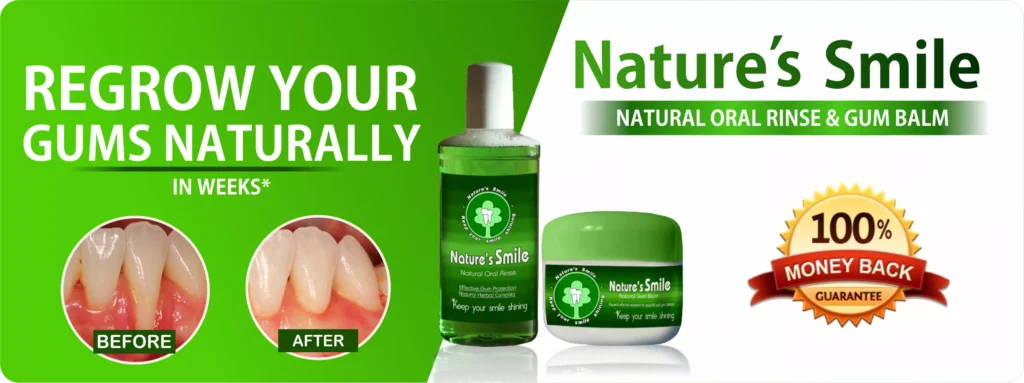
If you want sensory language that people associate with NSOR style products, it is usually mint-centered. Think refreshing mint flavor with “Botanical Breath Awakening” and “Forest Fresh Confidence” as the vibe, not as medical proof.
Other Benefits of Nature’s Smile In addition to fresher breath and cleaner teeth, there are several other benefits of using Nature’s Smile Mouthwash. For one thing, it can help reduce gum inflammation caused by periodontal (gum) disease. It can also help reduce tartar buildup on teeth which can lead to cavities if left untreated. Plus, it has a refreshing mint flavor that will leave you feeling energized throughout the day. Read More on https://naturessmile.com/
Use Nature’s Smile as a support layer for 5 specific outcomes, if your routine is already solid:
- Fresher breath lasts longer when you reduce bacteria and trapped food particles.
- Gum health and comfort can improve when you keep the gum line cleaner day to day.
- Reduce inflammation in gums when the trigger is surface plaque and poor cleaning around the gum margin.
- Tartar buildup teeth risk reduction happens indirectly by lowering plaque that hardens into tartar, but tartar still needs professional removal.
- Brighter healthier smile support by lowering plaque film and helping remove surface stains that sit on the enamel surface.
Keep the clinical line clear: an oral rinse can support gum disease treatment habits, but a rinse does not replace periodontal care when periodontal gum disease is established. If bleeding gums, gum recession, or persistent gum inflammation stays for more than 14 days, schedule a dental exam.
If you want the specific external review reference, place the link in code format to keep it clean: https://groups.google.com/g/natures-smile/c/StqNRNftaTU
Conclusion
Nature’s Smile Mouthwash (NSM) is a simple fit for people who want natures smile oral rinse positioning: natural ingredients that support daily oral hygiene, fresher breath, and gum health and comfort. The realistic upside is routine support: control plaque buildup teeth, reduce gum inflammation tartar triggers, and strengthen tooth enamel indirectly by lowering acid exposure and improving hygiene discipline. The realistic limit is tartar and periodontal disease: you still need professional care when tartar buildup teeth and gum recession are active problems.
Nature’s Smile Enhancers: The Best Foods for Healthy, White Teeth
Published on May 16, 2025, “Nature’s Smile Enhancers” framing is simple: the plate affects the mouth. Nutrition does not replace dental care, but nutrition can support a healthier oral environment that makes rinsing, brushing, and flossing more effective.

How Diet Impacts Dental Health?
Diet impacts dental and oral health through 5 direct levers:
- Acidic foods and sugar feed bacteria and raise cavity risk.
- Fibrous fruits and vegetables scrub teeth and increase saliva.
- Calcium and phosphorus support remineralizing tooth enamel.
- Antioxidants support gum tissue and reduce inflammation in the body and mouth.
- Hydration helps saliva flow and helps wash away debris.
If you want a single practical outcome statement: eat to strengthen tooth enamel, balance pH levels, and fight off bad breath and gum inflammation.
1. Crunchy Fruits and Vegetables: Nature’s Toothbrushes
Crunchy fruits and Crunchy Vegetables work like gentle scrubbers. The texture helps remove surface stains and disrupt plaque film. Chewing also boosts saliva, and saliva is your built-in rinse.
Top Picks:
- Apples: fibrous fruits that help clean teeth during chewing.
- Carrots: high in vitamin A and crunch, good for enamel support habits.
- Celery: stringy texture can help clean along tooth surfaces.
2. Dairy Products: Enamel Protectors
Dairy Products support enamel through calcium, phosphorus, and casein. The key benefit is remineralizing tooth enamel support and a better pH environment after meals.
Top Picks:
- Cheese: casein plus minerals, solid for enamel support.
- Plain yogurt: lower sugar option, often included in oral health nutrition routines.
- Milk: calcium and phosphorus delivery in a familiar format.
3. Leafy Greens: Nutrient Powerhouses
Leafy Greens pack vitamins, minerals, folic acid, and vitamin C. This category matters for gums as much as teeth.
Top Picks:
- Spinach: minerals plus texture when eaten fresh.
- Kale: dense nutrient profile and antioxidants.
- Romaine lettuce: hydration plus crunch.
4. Strawberries and Pineapple: Natural Teeth Whiteners
Strawberries and Pineapple are popular natural teeth whiteners in nutrition content.
- Strawberries contain malic acid, linked with remove surface stains style talk.
- Pineapple contains bromelain, often discussed for its ability to break down plaque proteins.
Keep one rule: rinse with water after acidic fruit, and wait 30 minutes before brushing, if your teeth feel sensitive.
5. Nuts and Seeds: Mini Mineral Bombs
Nuts and Seeds contribute magnesium and zinc plus chewing friction that helps with plaque control.
Top Picks:
- Almonds: low sugar snack, supports minerals for enamel.
- Sesame seeds: small, abrasive texture, mineral dense.
- Pumpkin seeds: magnesium support, easy snack format.
6. Green and Black Teas: Bacteria Fighters
Green and Black Teas deliver antioxidants. Unsweetened tea supports oral health by reducing bacterial activity and supporting a cleaner mouth environment.
One tradeoff is staining potential with heavy black tea intake. Use water after tea, and avoid added sugar.
7. Water: The Ultimate Smile Supporter
Water is the most practical oral rinse you use all day. Water supports:
- saliva production
- debris removal
- reduced acid contact time after meals
Drink water after sugar, after coffee, and after acidic foods. That single habit helps balance pH levels.
8. Foods to Limit (or Avoid) for Whiter, Healthier Teeth
Limit these 6 groups if healthy white teeth is the goal:
- sugary drinks
- sticky candy
- frequent refined carbs
- frequent acidic beverages
- sugary coffee mixes
- constant snacking
Sugar feeds bacteria. Acids soften enamel. Frequent exposure creates a cycle that oral care products must constantly fight.
Smart Eating Habits for Better Oral Health
Use 7 habits that reduce risk without complicated rules:
- Eat sweets with meals, not as standalone snacks.
- Drink water after eating, every time.
- Keep snacks tooth-friendly, including apples, carrots, celery, almonds.
- Choose plain yogurt over sweetened yogurt.
- Keep acidic foods earlier in the day, then rinse with water.
- Stop grazing all day. Give saliva time to recover.
- Chew sugar-free gum after meals, if you tolerate it.

Why Nutrition Can’t Replace Dental Care?
Nutrition helps, but tartar does not dissolve with diet. Gum disease and cavities still need clinical checks. The best model is combined: dental visits plus brushing and flossing plus supportive tools like natures smile oral rinse, if you like that style of product.
Benefits of Eating for Dental Health
Eating for dental health offers 6 measurable benefits over time:
- fewer cavities
- less plaque buildup teeth
- healthier gums and less bleeding
- stronger enamel resilience
- fewer acid attacks per day
- better breath baseline
Take the Next Step Toward a Healthier Smile
Combine a consistent routine with a simple stack:
- Brush 2 times per day.
- Floss 1 time per day.
- Use an oral rinse, including Nature’s Smile Mouthwash (NSM), after brushing.
- Eat for enamel and gum support, using the Nature’s Smile Enhancers food list.
If you want to assess progress, track 3 signals for 30 days: bleeding frequency, gum tenderness, and breath stability.
Start Your Smile Journey Today
Make the routine frictionless. Keep the rinse visible next to the toothbrush. Keep tooth-friendly snacks available. Reduce sugar frequency. Book cleanings on schedule. If gum inflammation tartar keeps returning, get a periodontal evaluation and treat the root cause.