
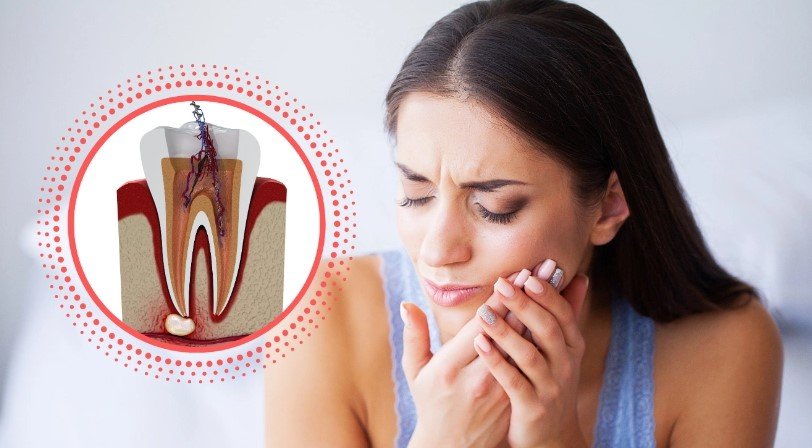
After a root canal, most people feel numb for a few hours, then have mild soreness or tooth sensitivity for 1 to 3 days, and can usually return to normal routine the same day while avoiding chewing hard foods on the treated tooth until the final restoration is placed.
Some day-by-day recovery guides, including a September 4, 2024 post by inception1 written for Chicago, IL, frame root canal recovery in simple milestones. This article follows the same practical approach, but anchors key aftercare points in patient guidance from the American Association of Endodontists (AAE).
Table of Contents
What “root canal recovery” actually means
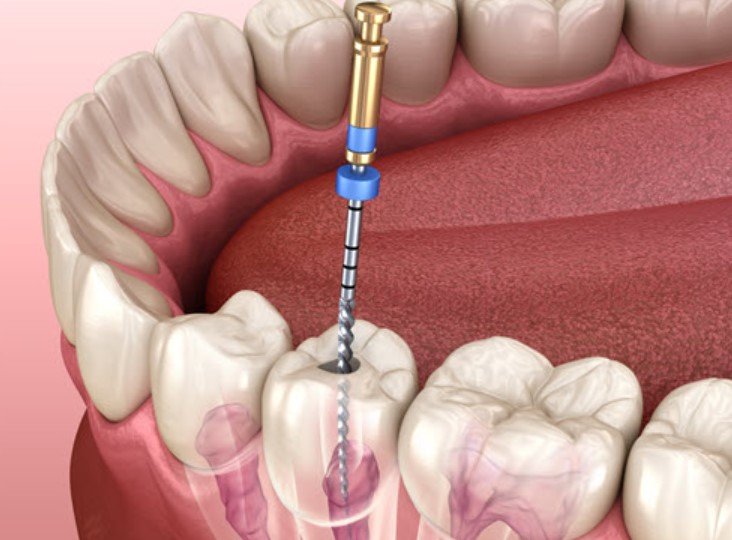
Root canal recovery is the recovery process after a root canal treatment (also called root canal therapy or endodontic treatment). The dentist or Endodontist removes inflamed or infected tissue from the pulp chamber, disinfects the canal system, and seals the space with a biocompatible material so bacteria cannot re-enter.
The goal is simple: treat an infected or damaged tooth, stop the infection, and keep the natural tooth in place instead of extraction.
What happens during a Root Canal Procedure
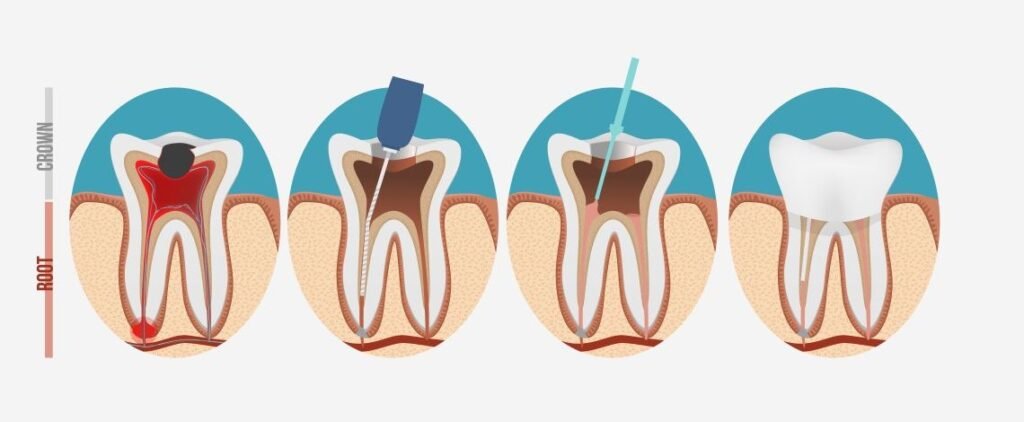
A typical Root Canal Procedure includes these steps:
- Diagnosis and imaging: A dentist uses an X-ray (Radiograph) to evaluate infection and anatomy. In selected cases, Cone-beam computed tomography (CBCT) may be used to provide 3D imaging that can improve diagnostic accuracy compared with 2D radiographs.
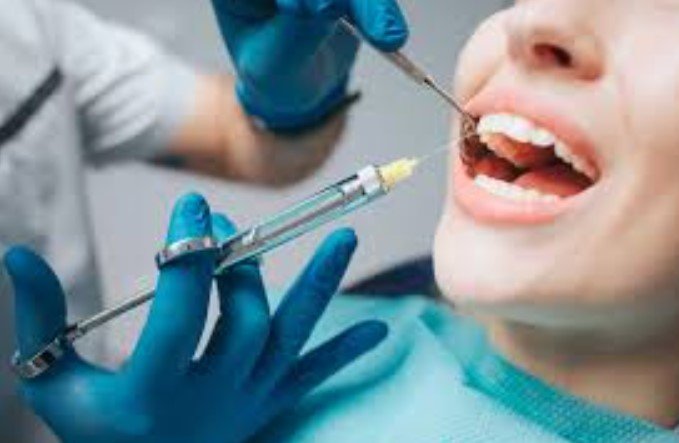
- Numbing: The dentist uses local anesthesia (Local Anesthesia) so the procedure is comfortable.
- Cleaning and shaping: The dentist removes infected pulp tissue, cleans the inside of the canals, and disinfects to reduce bacteria.
- Filling and sealing: The canals are sealed with gutta-percha to prevent reinfection.
- Closing the tooth: A temporary filling (Temporary Filling) or temporary restoration is placed, followed later by a permanent filling (Permanent Filling) and often a dental crown (Dental Crown) to protect the tooth long term.
What to expect right after the procedure (first 2 to 6 hours)
Numbness after root canal
Expect numbness for a few hours after treatment. The AAE notes numbness commonly lasts 2 to 4 hours, and eating should wait until full feeling returns to avoid biting the cheek or tongue. (American Association of Endodontists)
Mild soreness and a “different” bite feeling
When anesthesia wears off, mild soreness is common, especially when biting down. Sensitivity is more likely if there was an infection before treatment. (American Association of Endodontists)
Chewing restrictions
Avoid chewing on the treated tooth until the tooth is fully restored, especially if a temporary filling is in place.
Root canal recovery: what to expect day by day
Day 0 (procedure day)
- Expect numbness, then mild soreness.
- Use ice pack support on the cheek if swelling or tenderness is present (15 to 20 minutes on, then off).
- Stick to a soft food diet (Soft Food Diet) once numbness is gone.
Day 1
- Mild soreness, slight throbbing ache, or tooth sensitivity when chewing is common.
- Jaw pain or post-procedure jaw stiffness can happen from keeping the mouth open.
- If a temporary filling feels high, biting may feel “off.” Call the dentist for an initial bite adjustment.
Days 2 to 3
- Discomfort usually drops each day.
- Minor gum inflammation around the tooth can persist.
- If pain is worsening instead of improving, contact the dentist or Endodontist.
Days 4 to 7
- Most people feel close to normal.
- The tooth can still feel “not quite right” with pressure, especially without the final crown.
- Focus on stable routines: brushing, flossing, and avoiding hard chewing on the treated tooth.
Weeks 2 to 4 and beyond
- The goal shifts to finishing restoration, often with a Dental Crown, so the tooth does not fracture and bacteria do not re-enter through cracks or worn temporary material.
- Delays happen, but prolonged delay increases risk. The AAE stresses timely final restoration after endodontic treatment.
Pain Management and Inflammation control

The AAE states that for the first few days after treatment, tooth sensitivity can be relieved with over-the-counter pain relievers (OTC) or prescription medications, and patients should follow the Endodontist’s instructions.
Practical pain management checklist
- Use OTC medication safely: Common options include ibuprofen (Ibuprofen) and acetaminophen (Acetaminophen). Use label directions, and avoid any medication that conflicts with medical history, current medications, or allergies.
- Manage swelling: Use an ice pack on the outside of the face in short intervals on Day 0 and Day 1.
- Reduce inflammation triggers: Avoid smoking, avoid hard chewing on the treated tooth, and do not pick at the temporary filling.
Antibiotics after root canal
Antibiotics (Antibiotics) are not automatically needed after every root canal. If a dentist prescribes antibiotics for infection spread risk or systemic signs, take antibiotics exactly as directed and finish the course unless the dentist changes the plan.
Foods to eat and foods to avoid after root canal

Soft foods that usually work well
Use soft foods until chewing feels comfortable and the temporary filling is stable:
- Mashed potatoes
- Yogurt
- Applesauce
- Smoothies
Foods to avoid
- Nuts
- Chips
- Sticky candy
- Very hard crusts or ice chewing
Avoid chewing directly on the treated tooth until the permanent filling or crown is placed. (American Association of Endodontists)
Oral hygiene after root canal: brushing and flossing rules

Good dental hygiene (Dental Hygiene) lowers reinfection risk.
Brushing
- Continue brushing twice daily with a toothbrush and tooth paste.
- Brush gently around the gum line near the treated tooth.
- Avoid aggressive scrubbing that can dislodge a temporary filling.
Flossing
- Continue flossing daily.
- If a temporary crown or filling is present, slide floss out rather than snapping upward if the dentist gave that instruction.
Rinsing
- A gentle saline rinse can reduce irritation. Do not swish aggressively in the first 24 hours if the tooth has a temporary filling.
Temporary filling, permanent filling, and crown: what changes after a root canal and crown
Temporary Filling
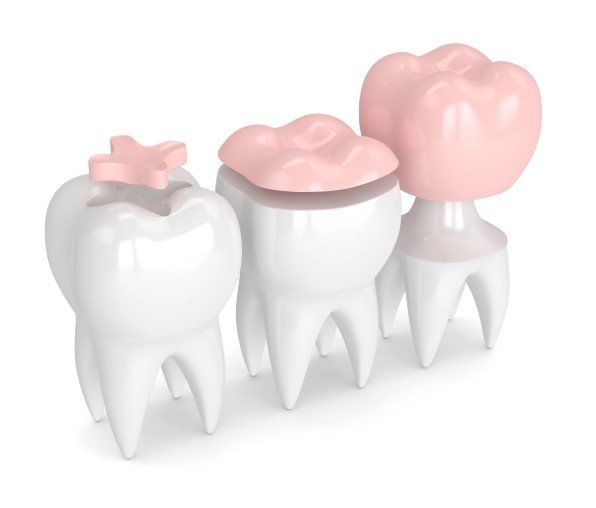
A temporary filling seals the access opening short term. It can wear down or crack. If a temporary filling falls out, bacteria can re-enter quickly.
Permanent Filling
A permanent filling provides a stronger seal, but many root canal treated back teeth still need a crown.
Dental Crown
A crown protects the treated tooth from fracture and restores chewing strength. Many “post root canal” problems happen when the tooth is left unprotected too long.
Common crown related expectations:
- Temporary crown sensitivity to cold or pressure
- Potential crown delay if the tooth needs time to calm down
- A brief period of bite adjustment after final cementation
What is normal vs what is not normal after a root canal
Normal symptoms (common)
- Mild soreness for a few days
- Sensitivity when chewing, especially with a temporary filling (American Association of Endodontists)
- Minor gum inflammation
- Limited mouth opening for 24 to 48 hours
- Temporary metallic taste
- Lingering numbness sensation that resolves as anesthesia clears
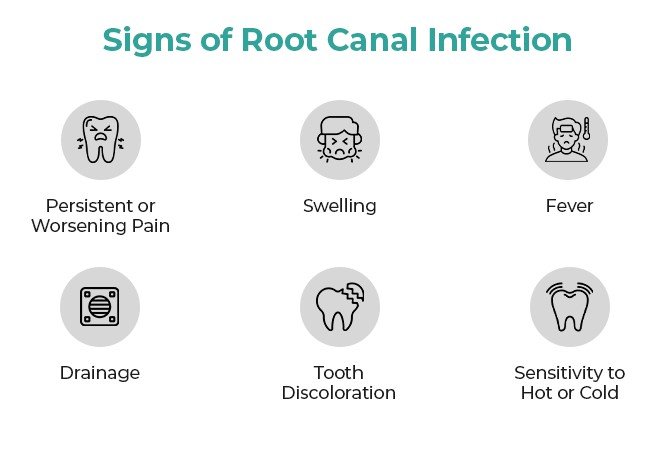
Red flags that require a dentist or Endodontist call
The AAE advises contacting the dentist or Endodontist if swelling or pain gets worse. Use that as the baseline, and also call if any of these occur:
- Swelling that increases after Day 2
- Severe pain that does not respond to OTC pain relievers
- Fever, foul drainage, or a pimple-like bump on the gum (possible infection) (Mayoclinic)
- Temporary filling breaks or falls out
- Bite pain that feels sharp or makes it hard to close teeth together (may need bite adjustment)
- Persistent numbness beyond expected anesthesia window (possible nerve irritation)
- Sinus issues or sinus pressure changes that worsen after upper molar treatment
Special situations: sinus issues, TMJ, bruxism
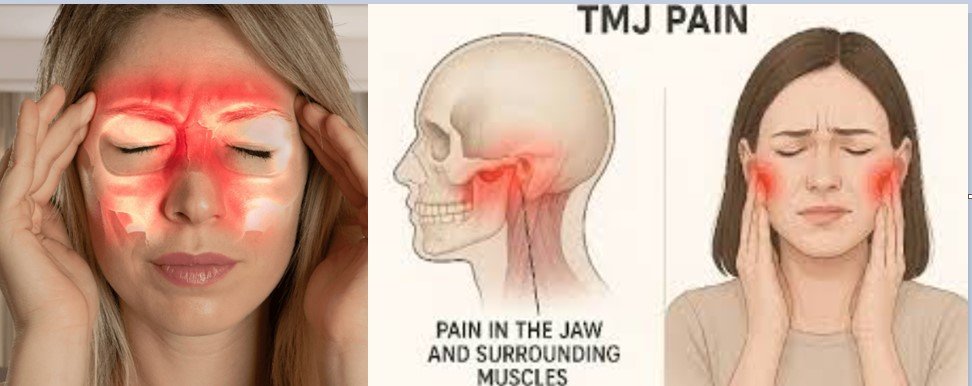
Sinus issues
Upper back teeth sit close to the sinus. After treatment, some people notice sinus pressure changes. Worsening pressure plus swelling or fever needs evaluation.
TMJ and jaw pain
If there is Temporomandibular Joint (TMJ) irritation, jaw pain may flare for a day or two. Limit wide opening, use soft foods, and ask the dentist about supportive care.
Bruxism
Bruxism and nighttime teeth grinding can overload a root canal treated tooth, especially without a crown. A night guard may be recommended after final restoration.
What happens when a root canal fails or gets infected
A root canal can fail when bacteria re-enter the canal system through cracks, leaky restorations, or untreated anatomy. Signs include renewed pain, swelling, or biting pain that returns after improvement.
Typical next steps:
- Dental exam and imaging: radiograph, and sometimes CBCT for more detail.
- Endodontic retreatment: an Endodontist re-cleans and reseals canals.
- Endodontic surgery: selected cases may need apical surgery.
- Alternative options: extraction followed by implants may be discussed, often with an Oral Surgeon or Periodontist depending on the plan.
What to do and what not to do after a root canal
What to do after a root canal
- Follow aftercare instructions exactly.
- Use pain relief as directed and track medication safety with allergies and current medications.
- Eat soft foods until chewing feels normal.
- Brush and floss daily.
- Schedule the permanent filling or crown promptly.
What not to do after a root canal
- Do not eat until numbness is gone.
- Do not chew nuts, chips, or hard foods on the treated tooth.
- Do not ignore a broken temporary filling.
- Do not delay crown placement for weeks if the dentist recommended a crown
Conclusion
After a root canal, expect numbness for a few hours, mild soreness for a few days, a soft foods phase, and a strong focus on finishing the permanent filling or dental crown so the treated tooth stays sealed and protected.
Root canal recovery is usually straightforward when post-operative care is consistent: manage oral pain with safe OTC options, reduce inflammation, avoid chewing restrictions on the treated tooth, and keep dental hygiene steady with brushing and flossing. If swelling or pain increases, contact the dentist or Endodontist quickly.
If you want, paste your clinic’s specific post-op instruction sheet and I will rewrite it into a cleaner, SEO-friendly “what to do” checklist that matches the exact recommendations your dentist gives.