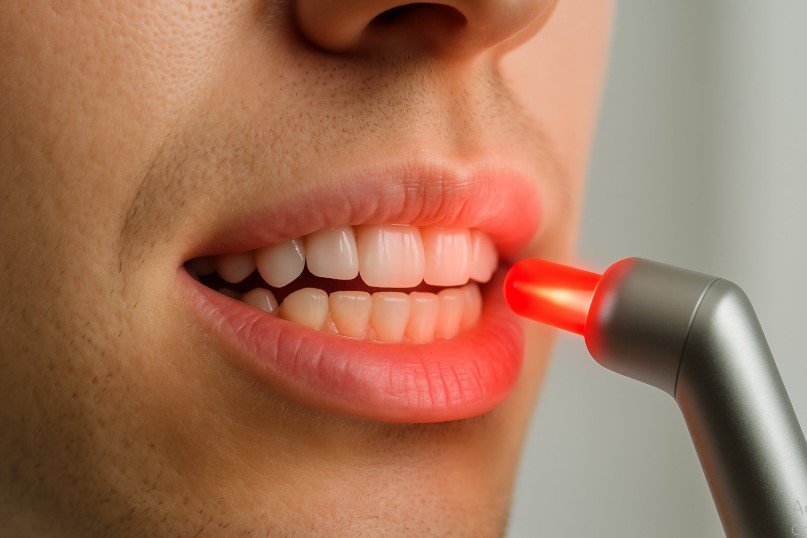
Gum recession red light therapy refers to the use of low-level red light therapy (RLT) delivered through LEDs to support gum tissue health, reduce inflammation, and promote healing at a cellular level. This approach uses specific wavelengths of red light to treat oral tissues by increasing blood flow, supporting cellular level healing, and helping control bacteria linked to gum disease.
The main benefits of gum recession red light therapy include reduced gum inflammation, support for gum recession prevention, improved healing of irritated gum tissue, and potential slowing of further gum recession. The main uses include managing gingivitis, supporting gum recession treatment, and assisting daily oral care routines at home. The core components involve LED-based red and blue light therapy, sonic brushing action, and targeted delivery to the gumline and periodontal pockets through devices such as a light therapy electric toothbrush.
Table of Contents
FEATURED SNIPPET
Does red light therapy help gum recession?
Gum recession red light therapy uses low-level LED light to support gum health by reducing inflammation, improving blood flow, and promoting healing at a cellular level. While red light therapy cannot regrow lost gum tissue, it may help slow gum recession progression, reduce bleeding gums, and support healthier gums when combined with proper oral hygiene and professional dental care.
What Gum Recession Is and Why It Happens
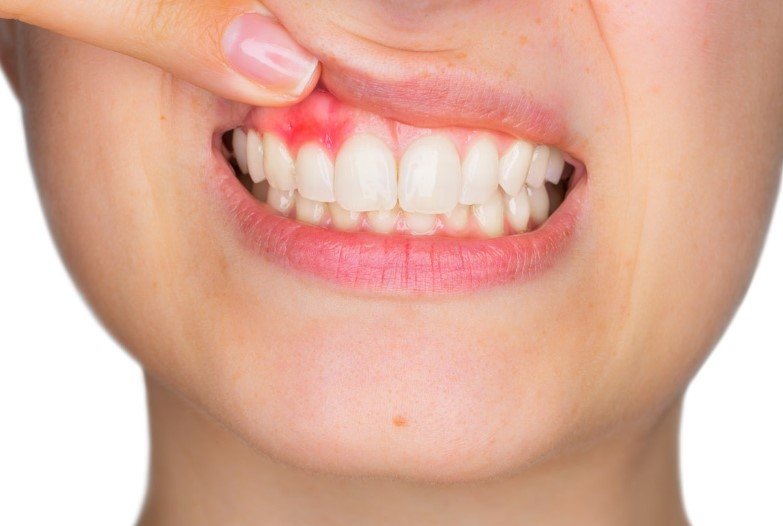
Gum recession is the gradual exposure of tooth roots caused when gum tissue pulls away from the tooth surface. Receding gums are common and increase with age. Gum recession is linked to plaque biofilm buildup, aggressive brushing, gum inflammation, periodontal disease, and long-term gingivitis. (ADA)
When gum tissue pulls back, the exposed root surface becomes more sensitive and vulnerable to bacteria. Gum recession is a concern because it raises the risk of tooth sensitivity, root decay, and tooth loss. Gum recession prevention focuses on controlling bacteria, reducing inflammation, and protecting the gumline. (Cleveland Clinic)
How Red Light Therapy Works for Gum Recession
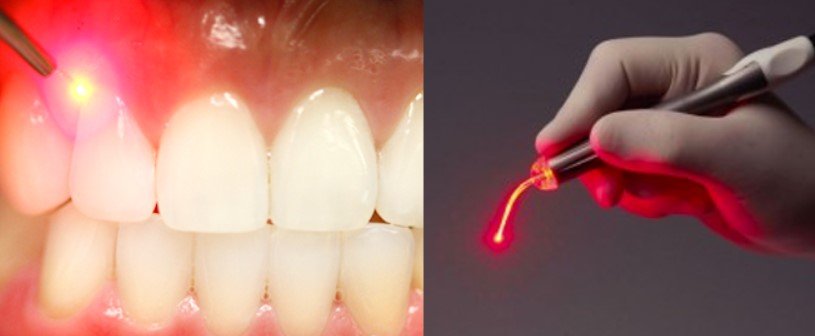
Red light therapy works by delivering low-level light from light-emitting diodes (LEDs) into the oral tissues. The red light penetrates the gum tissue and stimulates healing at a cellular level. This process is also known as photobiomodulation.
At the cellular level, red light therapy supports mitochondrial activity, which increases energy production inside cells. This process promotes wound healing, supports collagen production, and improves gingival microcirculation photobiomodulation. Increased blood flow helps deliver oxygen and nutrients to inflamed gum tissue, supporting repair and regeneration.
Red light therapy is non-ablative gingival stimulation, meaning it does not cut or damage tissue. The goal is focused light tissue repair and red light connective healing without surgery.
The Role of Blue Light Therapy in Gum Health
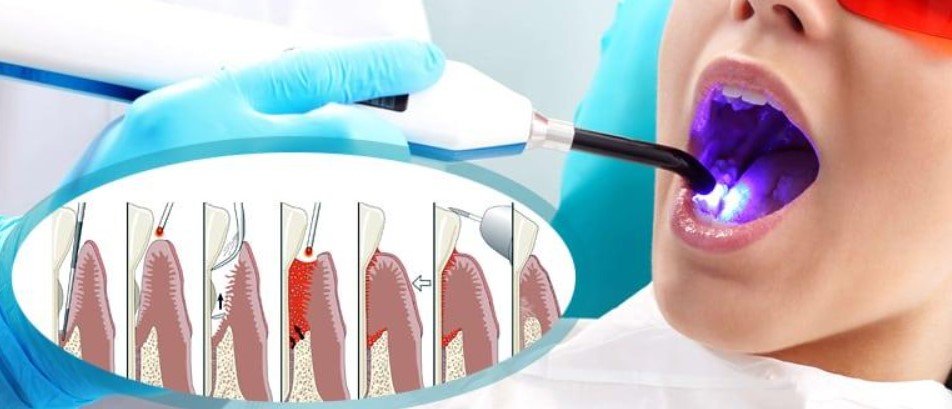
Many light therapy systems combine red and blue light therapy. Blue light therapy targets bacteria in plaque biofilm and periodontal pockets. Blue light therapy studies show that blue wavelengths help reduce bacteria linked to gingivitis and gum disease.
Red and blue light therapy work together. Red light supports healing and inflammation reduction, while blue light helps control bacteria. This combination supports targeted periodontal rejuvenation therapy and gum recession prevention. (PubMed)
Scientific Evidence Behind Red Light Therapy
Red light therapy studies and oral health studies show that low-level light therapy can support tissue repair and inflammation reduction. NASA research demonstrated that LED-based red light therapy promotes wound healing in human tissue. These findings led to broader medical and dental applications. (Harvard Medical School)
Dental and periodontal studies report that red light therapy can support gingival fibroblast light activation, reduce inflammation, and improve healing outcomes when combined with standard oral care. The Food and Drug Administration (FDA) has approved red light therapy for various medical uses, and LED-based systems designed for oral care avoid ultraviolet light exposure.
Can Red Light Therapy Reverse Gum Recession?
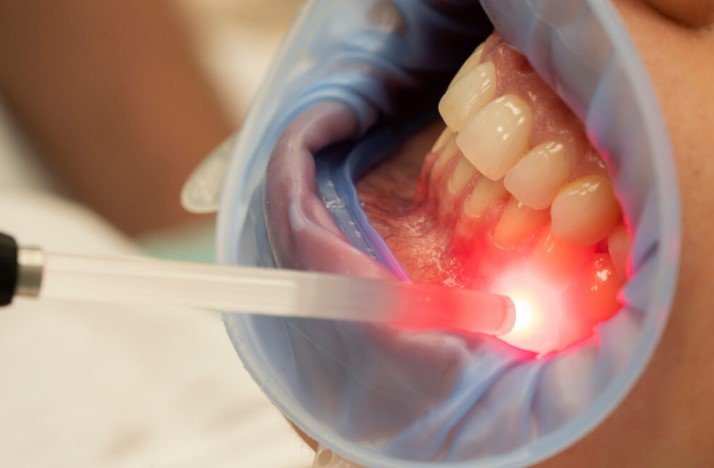
No, red light therapy cannot fully reverse gum recession once gum tissue is lost. Gum tissue does not naturally regenerate to its original position. Red light therapy helps slow progression, reduce inflammation, and support healthier gum tissue, which may improve the appearance and comfort of receding gums.
Some users report visible improvements in gum tone, reduced bleeding gums, and less sensitivity. These effects support gum recession prevention rather than full reversal. (Mayo Clinic)
Red Light Therapy for Gingivitis and Gum Disease
Yes, red light therapy helps manage gingivitis and early-stage gum disease. Gingivitis involves inflamed gums caused by bacteria in plaque biofilm. Red light therapy helps reduce inflammation and promote healing at the gumline. (CDC – Gum disease facts)
Blue light therapy targets bacteria, while red light therapy supports tissue recovery. This combination supports subgingival inflammation laser control and periodontal pocket light treatment without surgical intervention. (AAP)
Oralucent and Light Therapy Toothbrush Technology
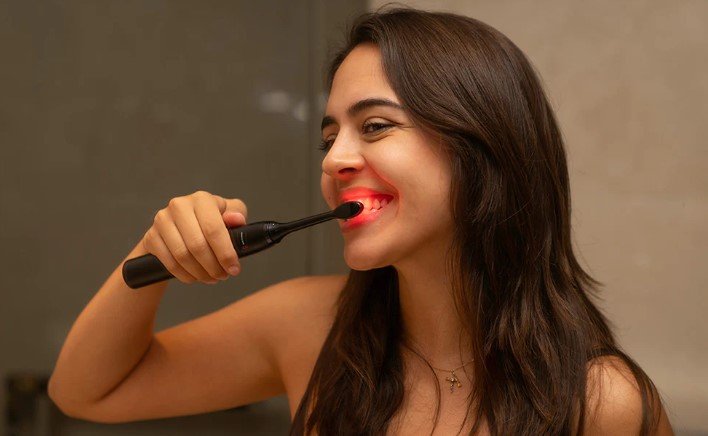
Oralucent developed a light therapy electric toothbrush that combines sonic brushing with red and blue light therapy. The Oralucent toothbrush uses sonic speed to disrupt plaque biofilm while delivering light therapy directly to the gumline.
The Oralucent Pro Edition toothbrush integrates LEDs into the brush head to treat oral tissues during daily brushing. The system avoids ultraviolet light and uses safe wavelengths for at-home use.
Oralucent Product Components
Oralucent products include:
- ELECTRIC TOOTHBRUSH
- WHITENER & BRUSH HEADS
- BRUSH HEADS
- O2 GEL TEETH WHITENER
- WHITENER & BRUSH HEADS BUNDLE
- ACCESSORIES
- BRUSH HEAD COVER (TRAVEL)
- CHARGING BASE
- USB ADAPTER
These components support daily oral care routines while delivering red and blue light therapy.
Benefits of Gum Recession Red Light Therapy
Gum recession red light therapy offers measurable benefits:
- Reduced gum inflammation
- Increased blood flow to oral tissues
- Support for collagen production
- Improved healing of irritated gum tissue
- Reduced bleeding gums
- Support for gum recession prevention
These benefits result from photonic biostimulation gum health and red light induced angiogenesis.
At-Home Use vs Professional Treatment
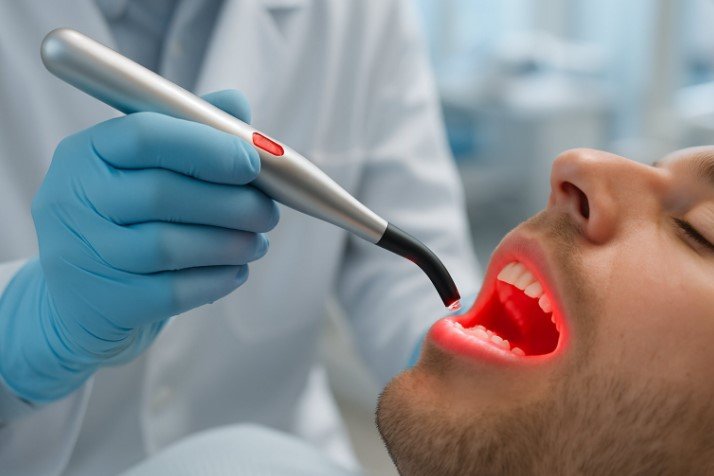
At-home red light therapy devices offer convenience and daily exposure. Professional dental laser therapy delivers higher-powered treatments during office visits. At-home devices use lower intensity LEDs designed for regular use.
For advanced periodontal disease, professional periodontal treatment is required. At-home red light therapy works best as a supportive measure for daily oral care and early-stage gum recession therapy.
In addition to light-based oral care devices, some individuals explore botanical oral care formulations designed to support gum health. For example, Nature’s Smile Natures Treatment for Receding Gums is often referenced as a plant-based approach intended to help manage bacteria and support irritated gum tissue. While herbal formulations may assist with plaque control and inflammation management as part of daily care, they do not replace professional periodontal treatment or regenerate lost gum tissue.
Also Read: Gum Infection Remedies: A Comprehensive Guide to Treating Gingivitis and Periodontitis
Nature’s Smile and Gum Recession Red Light Therapy
Many people using gum recession red light therapy also combine it with antibacterial oral care products designed to target plaque buildup and irritated gums more directly. One commonly discussed option is Nature’s Smile™ Gum Balm, a botanical oral care formula made with herbal extracts traditionally used to support gum health and oral bacteria control.
Unlike light therapy devices that focus on cellular healing and circulation, Nature’s Smile works at the gumline itself by helping reduce plaque accumulation, soothe inflamed gum tissue, and support healthier daily oral hygiene habits. Ingredients such as Oak Bark, Silver Fir, Yarrow, and Chamomile are frequently highlighted for their antibacterial and calming properties.
For individuals dealing with early gingivitis, bleeding gums, bad breath, or mild gum recession, combining consistent brushing, flossing, and gum recession red light therapy with a gum-focused formula like Nature’s Smile can help improve overall gum comfort and reduce inflammation over time.
The connection between gum recession red light therapy and Nature’s Smile is simple:
👉 Red light therapy supports circulation and healing at the cellular level, while Nature’s Smile is used to help manage plaque bacteria and irritated gum tissue at the surface level.
Many users first discover the product through detailed Nature’s Smile Reviews discussing gum inflammation and bleeding gum improvements. Some users add Nature’s Smile to their routine specifically to support:
- Bleeding gum reduction
- Plaque control near the gumline
- Fresher breath
- Daily gum inflammation management
- Supportive care for mild gum recession symptoms
Used consistently alongside brushing, flossing, and professional cleanings, these approaches are best viewed as supportive tools for long-term gum health maintenance.
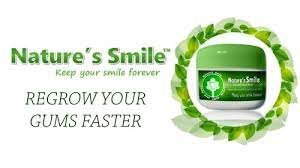
🌿 Healthy Gums Are Just a Click Away! Get Nature’s Smile at a Discounted Price Today—Shop Now!
People Also Ask
Can red light therapy and Nature’s Smile be used together?
Yes. Some users combine gum recession red light therapy with Nature’s Smile Gum Balm to support plaque control, reduce gum inflammation, and improve overall gum comfort as part of a daily oral hygiene routine.
Cost of Gum Recession Treatment
Gum recession treatment cost depends on severity. Non-surgical options such as improved oral hygiene and at-home light therapy cost less. Periodontal laser treatment and surgical grafting increase costs.
In the U.S., periodontal disease treatment can range from $1,700 to $8,000 depending on procedures. At-home red light therapy devices cost significantly less and focus on prevention and maintenance.
How to Use Red Light Therapy for Gum Health
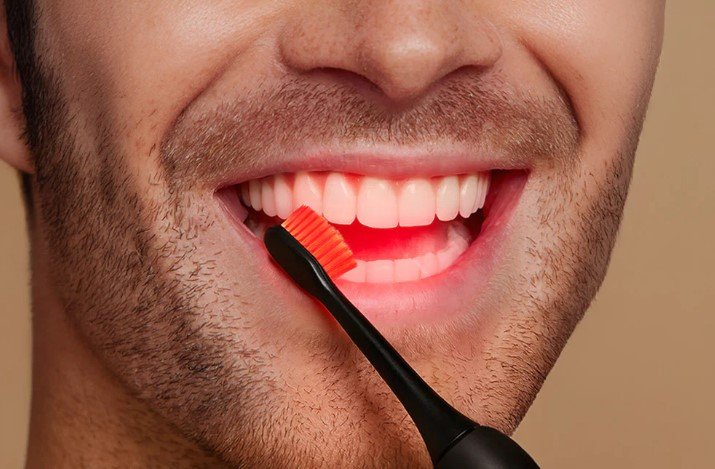
Use red light therapy consistently during daily brushing routines. Brush twice daily for 2–4 minutes, hold the brush at a 45-degree angle to the gumline, and allow light exposure to reach the gum margins.
Consistency supports gum inflammation control and cellular level healing. Combine light therapy with flossing and professional dental care.
Safety and Regulatory Status
Red light therapy delivered by LEDs is considered safe for adult use. FDA-cleared devices avoid ultraviolet light exposure. LED systems operate at controlled wavelengths and intensities designed for oral tissues.
Users with advanced periodontal disease or medical conditions should consult a dental professional before starting any new treatment. (U.S. FDA – Light-based medical devices)
What to Do If You Notice Gum Recession
Take action early if gum recession is noticed. Improve brushing technique, reduce aggressive brushing, and address plaque biofilm. Schedule a dental evaluation to assess gum health.
Support daily oral care with tools that help manage bacteria and inflammation. Gum recession red light therapy supports ongoing gum health when combined with proper hygiene and professional care.
FAQ
Can red light therapy regrow receding gums naturally?
No, red light therapy cannot fully regrow lost gum tissue once recession occurs. However, it may help reduce inflammation, improve circulation, and support healthier gum tissue to slow further recession progression.
Is gum recession red light therapy safe for daily use?
Most LED-based red light therapy devices designed for oral care are considered safe for daily use because they avoid harmful ultraviolet light exposure and operate at controlled wavelengths.
Does red light therapy help bleeding gums and gingivitis?
Yes, red light therapy may help reduce gum inflammation and bleeding associated with gingivitis by supporting cellular healing and improving blood flow in oral tissues.
What is the best red light therapy device for gum recession?
Light therapy electric toothbrushes that combine red and blue LED wavelengths with sonic brushing action are commonly used for gum recession prevention and gum inflammation support.
Can Nature’s Smile be used with gum recession red light therapy?
Some individuals combine Nature’s Smile with gum recession red light therapy as part of a broader oral care routine focused on plaque control, bacterial management, and gum inflammation support.
How long does gum recession red light therapy take to work?
Many users report improvements in gum comfort, reduced bleeding, and healthier gum appearance within several weeks of consistent daily use, although results vary depending on gum condition severity.
Conclusion
Gum recession red light therapy is gaining attention because it offers something many people want: a non-invasive way to support gum health before problems become severe. While red light therapy cannot regrow lost gum tissue, research suggests it may help reduce inflammation, improve circulation, support collagen activity, and slow the progression of gum recession when used consistently.
The biggest mistake most people make is waiting too long.
Once recession progresses into deeper periodontal damage, treatment becomes more expensive, invasive, and difficult to manage. That is why early daily care matters.
Many people now combine LED-based gum recession red light therapy with supportive oral care approaches If you’re trying to support your gums before recession becomes more aggressive, exploring a daily routine that combines light therapy with herbal gum care product Nature’s Smile for receding gums helps improve long-term gum maintenance and inflammation control.
👉 If your gums are already showing early warning signs like bleeding, tenderness, or visible recession, taking action now is far easier than trying to repair advanced damage later.